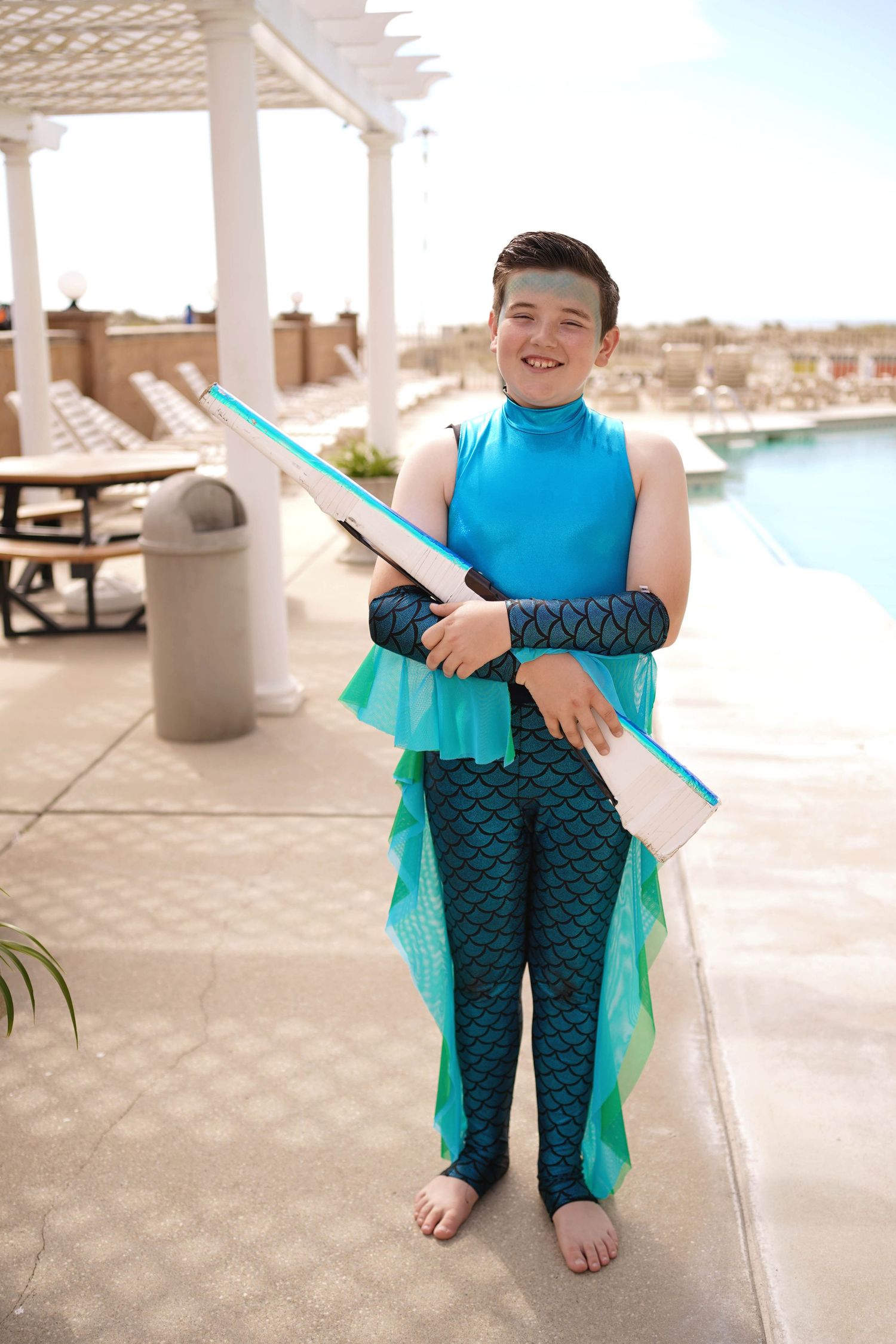
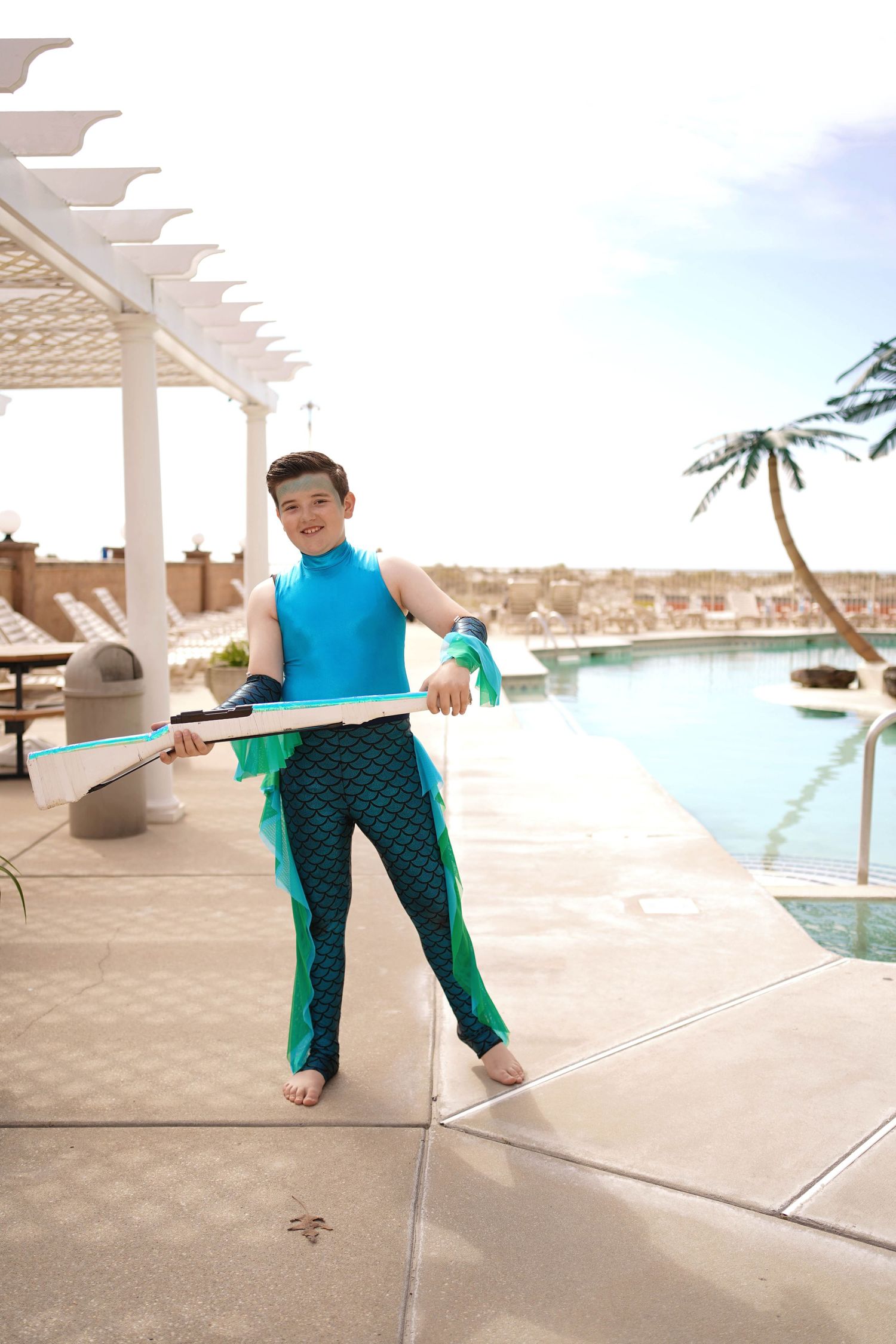
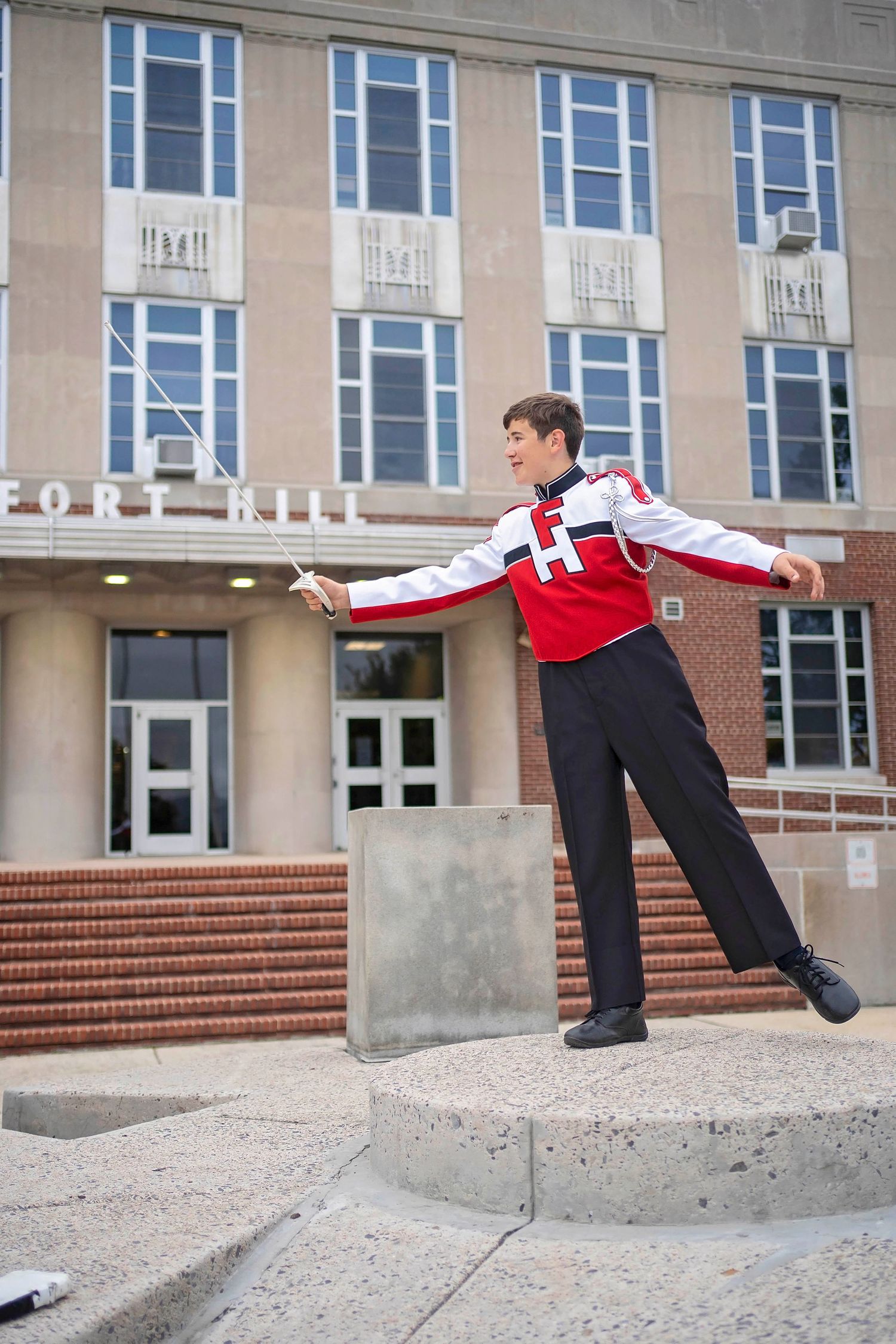
When my son first joined color guard in the seventh grade, I'll admit- I wasn't sure what to expect.
Color guard is often seen as a "girls' activity," tucked neatly into the same category as cheerleading and dance. It wasn't him that that scared me- but how others might treat him. But from the first time he picked up a flag, I knew he'd found his place. Now, heading into 10th grade, he's not only thriving-he's exceptional. His precision, artistry, and strength shine on the field, and watching him spin, toss and catch with complete confidence and control is nothing short of breathtaking. He's also a musician in the band, a tennis team member, and bee keeper- rounding out the full picture of a young man who refuses to be boxed in by outdated ideas of what boys "should" do.
And that's the heart of it- outdated ideas of masculinity.
For centuries, men were central to the world of movement, performance, and artistry. Think of ballet: in the 15th and 16th centuries, it was men who dominated court dances in Italy and France. Male dancers were celebrated for their athleticism, agility, and strength. Traditional forms of cultural dance around the world- from Japanese kabuki to West African ceremonial dance to Native American powwow traditions- have long embraced men as vital participants. They are clearly depicted in many artworks. Yet somewhere along the way, particularly in American culture, we began to narrow the definition of "masculine."
We started equating masculinity with toughness, silence, and sports that involve brute strength. Dance, cheerleading, and color guard were labeled as feminine, despite requiring incredible stamina, power, and technical skill. It's a skewed perspective that robs young men of the opportunities to express themselves fully and authentically.
My son isn't less of a young man because he's in color guard- if anything, he's more. He's strong enough to toss a six-foot flag, rifle, or saber into the air and catch it with grace. He's disciplined enough to practice until his hands are blistered. He's creative enough to bring emotion to movement. And he's brave enough to do it front of an audience who may not truly understand what it takes- especially in good, old Allegany County.
What makes me proud isn't just my son's talent- it's undeniable. It's that he's rewriting what it takes to be a man in today's world. He's showing his peers that masculinity isn't fragile, that skill isn't gendered, and that beauty, grace, and strength belong to everyone.
Maybe it's time we all catch up.